
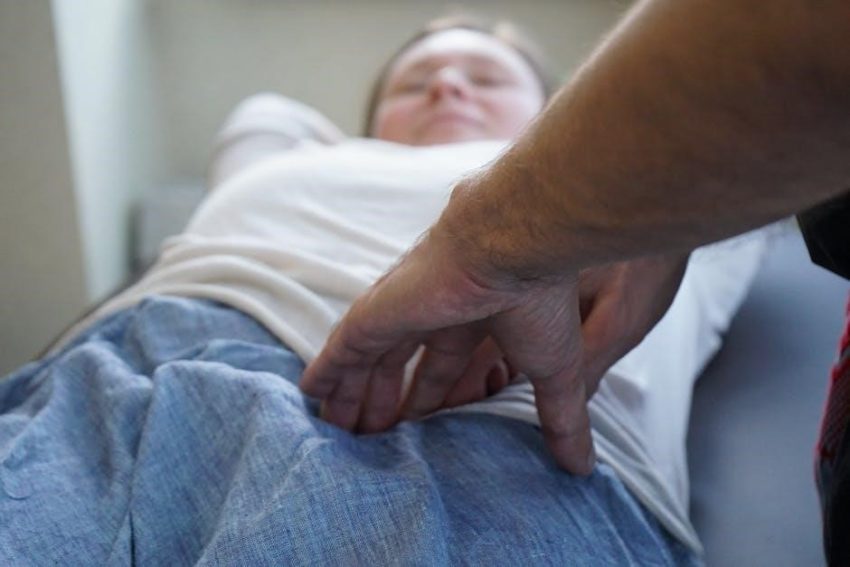
The femur ORIF physical therapy protocol is a structured approach to rehabilitation after surgery‚ focusing on early mobilization‚ strength restoration‚ and gradual return to functional mobility.
1.1 Overview of Femur ORIF Surgery
Femur ORIF (Open Reduction Internal Fixation) surgery involves stabilizing femur fractures using plates‚ screws‚ or rods to restore proper alignment and promote healing. This procedure is often necessary for complex or displaced fractures that cannot heal with immobilization alone. Post-surgery‚ the focus shifts to early mobilization and physical therapy to regain strength‚ mobility‚ and functional independence‚ ensuring optimal recovery outcomes.
1.2 Importance of Physical Therapy in Recovery
Physical therapy is crucial for restoring function‚ strength‚ and mobility after femur ORIF surgery. It addresses pain‚ swelling‚ and limited movement‚ preventing complications like stiffness or muscle atrophy. A structured PT program ensures gradual progression‚ minimizing the risk of re-injury while promoting independence. Early intervention and adherence to the protocol are essential for achieving optimal recovery and returning to normal activities.
1.3 Key Goals of the Physical Therapy Protocol
The primary goals of the femur ORIF physical therapy protocol include restoring mobility‚ strength‚ and functional abilities. It focuses on managing pain and swelling‚ promoting early mobilization‚ and ensuring proper weight-bearing activities. The protocol aims to prevent complications‚ enhance tissue healing‚ and improve overall limb function. These objectives are designed to support a safe and progressive return to daily activities‚ sports‚ and work‚ ensuring optimal recovery and long-term independence.

Pre-Operative Considerations
Pre-operative considerations involve patient education‚ strength and mobility assessments‚ and setting realistic recovery expectations. This phase ensures patients are prepared mentally and physically for surgery and rehabilitation.
2.1 Patient Education and Preparation
Patient education is crucial for a successful recovery. It involves explaining the surgery‚ rehabilitation process‚ and expected outcomes. Patients are taught about post-operative pain management‚ wound care‚ and the importance of adhering to weight-bearing restrictions. A home exercise program (HEP) is introduced‚ focusing on quadriceps strengthening and mobility exercises. Setting realistic expectations helps patients understand the timeline and effort required for full recovery. This preparation reduces anxiety and ensures active participation in the rehabilitation process.
2.2 Pre-Surgery Strength and Mobility Assessment
A pre-surgery strength and mobility assessment evaluates the patient’s baseline strength‚ flexibility‚ and functional abilities. This assessment identifies muscle imbalances‚ range of motion limitations‚ and gait abnormalities. It also measures the patient’s ability to perform daily activities. The findings guide the development of a personalized rehabilitation plan‚ ensuring targeted interventions post-surgery. This step is critical for setting realistic goals and minimizing recovery time‚ ultimately improving long-term functional outcomes.
2.3 Setting Realistic Expectations for Recovery
Setting realistic expectations for recovery helps patients understand the timeline and progression of their rehabilitation journey. Recovery typically spans 3–6 months‚ with gradual improvements in strength‚ mobility‚ and function. Factors such as age‚ pre-surgery condition‚ and adherence to therapy influence outcomes. Patients should expect a structured protocol‚ starting with early mobilization and progressing to strength training. The physical therapy team guides patients through these stages‚ ensuring a smooth transition to independence and full recovery;

Immediate Post-Operative Phase
Physical therapy begins the day of surgery‚ focusing on pain management‚ early mobilization‚ and monitoring for complications. Ice‚ medication‚ and gentle movements are prioritized to ensure a safe recovery start.
3.1 Day of Surgery Physical Therapy Initiation
Physical therapy begins immediately on the day of surgery‚ focusing on pain management‚ gentle exercises‚ and monitoring. Ice therapy and prescribed medication are used to reduce discomfort. Early mobilization techniques‚ such as ankle pumps and heel slides‚ are introduced to prevent stiffness and promote blood flow. The goal is to ensure the patient can tolerate movement and prepare for progressive weight-bearing activities‚ minimizing complications and setting the foundation for a successful recovery.
3.2 Pain Management Strategies
Pain management is crucial in the immediate post-operative phase to facilitate recovery. Strategies include ice therapy to reduce swelling‚ prescribed pain medication‚ and elevation of the affected limb. Gentle exercises and breathing techniques are also employed to minimize discomfort. These methods ensure the patient remains comfortable‚ enabling early mobilization and adherence to the rehabilitation protocol without unnecessary distress or complications.
3.3 Initial Mobility and Weight-Bearing Status
Initial mobility post-surgery focuses on minimizing complications while promoting early movement. Weight-bearing status is typically partial or non-weight-bearing‚ depending on the fracture and surgical repair. Patients are often restricted to toe-touch weight-bearing to protect the femur during healing. Early mobilization‚ including gentle hip and knee movements‚ is encouraged to prevent stiffness and promote circulation. This phase is critical for setting the foundation for progressive weight-bearing and functional recovery.
Early Mobilization and Range of Motion
Early mobilization and range of motion exercises are crucial for restoring flexibility and function after femur ORIF surgery‚ focusing on gentle movements to prevent stiffness and promote healing.
4.1 Gentle Stretching Exercises
Gentle stretching exercises are introduced early in the rehabilitation process to improve flexibility and reduce stiffness. These exercises target the hamstrings‚ quadriceps‚ and hip flexors‚ promoting blood flow and preventing contractures. Passive stretching is often used initially‚ progressing to active movements as strength and comfort allow. Stretching is performed within a pain-free range to avoid discomfort or injury‚ ensuring a safe and effective start to the recovery process.
4.2 Early Weight-Bearing Activities
Early weight-bearing activities are crucial for promoting bone healing and restoring functional mobility. Patients often begin with partial weight-bearing‚ using assistive devices like crutches or walkers to reduce stress on the femur. The level of weight-bearing is tailored to the patient’s surgical stability and bone healing progress. Physical therapists guide patients through gradual loading exercises to enhance strength and confidence‚ ensuring proper technique to avoid complications and promote a smooth transition to full weight-bearing as recovery advances.
4.3 Progression of Range of Motion Exercises
Range of motion exercises progress from passive to active movements‚ focusing on hip and knee mobility. Initially‚ gentle stretching is performed to prevent stiffness. As healing advances‚ resistance and dynamic movements are introduced to improve flexibility and strength. Therapists monitor progress‚ ensuring exercises align with the patient’s surgical and healing status. The goal is to restore full‚ pain-free mobility while minimizing complications and promoting functional recovery.
Strengthening Exercises
Strengthening exercises focus on restoring muscle function‚ emphasizing quadriceps‚ hamstrings‚ glutes‚ and hip stabilizers. Progression includes resistance bands‚ weights‚ and functional movements to enhance strength and stability.
5.1 Quadriceps Strengthening with VMO Emphasis
Quadriceps strengthening focuses on the vastus medialis oblique (VMO) to restore knee stability and patellar tracking. Exercises include straight leg raises‚ mini squats‚ and step-ups. Progression occurs when patients achieve 80% contralateral strength‚ ensuring proper activation and reducing imbalance. Resistance bands or weights are incorporated to enhance strength. Emphasis is placed on pain-free range of motion to avoid complications and promote functional recovery.
5.2 Hamstring and Gluteal Strengthening
Hamstring and gluteal strengthening is crucial for restoring hip and knee function post-surgery. Exercises include prone leg curls‚ glute bridges‚ and side-lying leg lifts. These target the biceps femoris‚ semitendinosus‚ and gluteus maximus. Progression involves adding resistance or increasing range of motion. Emphasis is placed on proper form to avoid strain and ensure balanced muscle development‚ promoting stability and functional mobility during recovery.
5.3 Hip Abductor and Adductor Strengthening
Hip abductor and adductor strengthening focuses on enhancing the muscles around the hip joint to improve stability and movement. Exercises such as side-lying leg lifts‚ seated adductor squeezes‚ and standing hip abductions are commonly used. These exercises help restore balance‚ reduce limp‚ and promote proper gait mechanics. Progression may include resistance bands or weights to increase intensity‚ ensuring the hip muscles are strong and functional for daily activities and mobility.
5.4 Core Strengthening for Stability
Core strengthening is essential for providing stability and proper alignment during movement. Exercises like planks‚ bridges‚ and bird-dog target the abdominal and lower back muscles. These exercises improve posture‚ reduce compensatory movements‚ and enhance overall lower extremity function. Progression includes dynamic movements and resistance to build endurance and strength‚ ensuring the core supports the femur and hip during rehabilitation and daily activities.
Gait Training and Ambulation
Gait training and ambulation are crucial for restoring walking ability post-surgery. Patients progress from using assistive devices to partial and then full weight-bearing‚ aiming for a normal gait.
6.1 Transition from Assistive Devices
The transition from assistive devices‚ such as crutches or walkers‚ is based on the patient’s strength‚ balance‚ and ability to bear weight safely. Progression begins with partial weight-bearing and gradually reduces reliance on assistive devices. The goal is to achieve independent ambulation with proper gait mechanics‚ ensuring safety and efficiency. This phase is tailored to the patient’s recovery pace and overall functional abilities.
6.2 Partial Weight-Bearing Gait Training
Partial weight-bearing gait training focuses on safely progressing patients from assistive devices to independent walking. Patients use crutches or walkers to reduce stress on the femur while promoting proper gait mechanics. The training emphasizes weight distribution‚ balance‚ and coordination. Progression is gradual‚ based on the patient’s strength and tolerance‚ ensuring a stable and efficient gait pattern. This phase is critical for restoring mobility and preventing complications during the recovery process.
6.3 Full Weight-Bearing and Normal Gait
Full weight-bearing and normal gait training aims to restore natural walking patterns and independence. Patients progress from partial to full weight-bearing‚ focusing on proper alignment‚ muscle activation‚ and balance. Gait training techniques‚ such as treadmill walking and overground practice‚ are used to enhance symmetry and efficiency. The goal is to achieve a pain-free‚ stable gait‚ ensuring safe community ambulation and return to daily activities without assistance;
Advanced Rehabilitation Phase
The advanced phase introduces high-level exercises‚ balance training‚ and agility drills to enhance strength and coordination‚ preparing patients for unrestricted mobility and return to normal activities.
7.1 High-Level Strengthening and Balance Exercises
Advanced strengthening focuses on improving muscular endurance and power‚ with exercises like single-leg stands‚ balance board work‚ and plyometric drills. Emphasis is placed on functional movements‚ such as squats and lunges‚ to enhance dynamic stability. Resistance progression and core integration are prioritized to restore pre-injury strength and confidence. These exercises prepare patients for complex activities‚ ensuring a smooth transition to unrestricted mobility and daily life.
7.2 Agility and Proprioception Training
Agility drills‚ such as cone weaving and lateral shuffles‚ enhance speed and coordination. Proprioception exercises‚ including single-leg stands and wobble board work‚ improve joint awareness and stability. These activities simulate real-world movements‚ aiding in the restoration of normal gait patterns and dynamic balance. Progression to more complex tasks prepares patients for return to daily activities and sports‚ ensuring optimal functional recovery and reduced risk of future injuries.
7.4 Preparation for Return to Daily Activities
Patients engage in task-specific exercises mimicking daily tasks‚ such as stair climbing and balance activities. Functional simulations help restore independence in activities like dressing and transfers. Gradual progression ensures safety and confidence‚ with a focus on proper movement patterns to prevent re-injury. A tailored home program reinforces these skills‚ enabling a smooth transition to daily life and reducing reliance on assistive devices.
Pain Management and Modalities
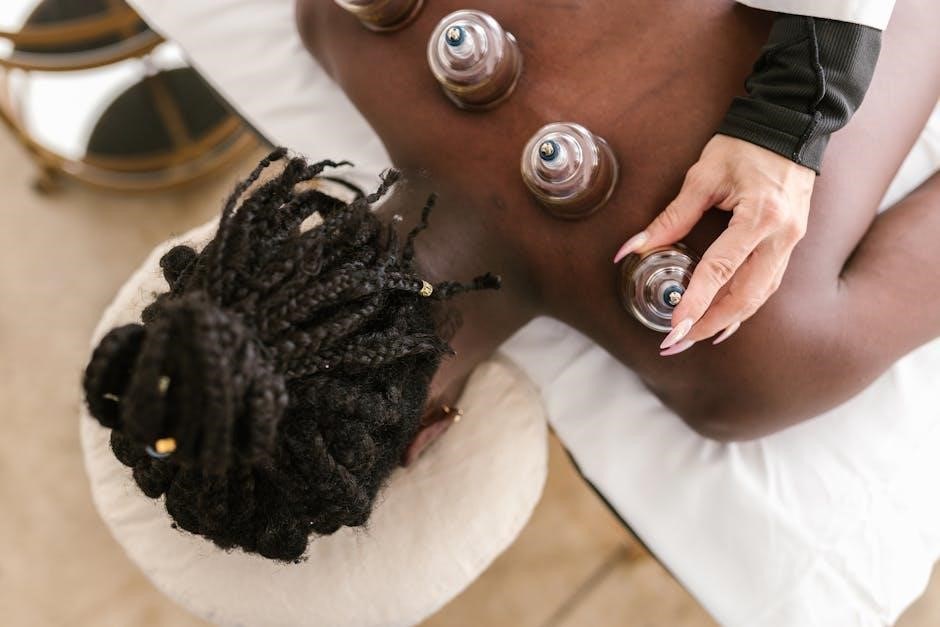
Pain management incorporates ice‚ heat‚ and electrical stimulation to reduce discomfort. These modalities enhance recovery by minimizing inflammation and improving tissue healing‚ aiding in patient comfort.
8.1 Use of Ice and Heat Therapy
Ice therapy reduces inflammation and pain‚ typically applied in the acute phase. Heat therapy promotes blood flow and relaxes muscles‚ often used post-surgically. Both modalities are tailored to patient needs‚ ensuring optimal recovery without overuse. Proper application methods and durations are emphasized to avoid tissue damage‚ supporting the healing process effectively.
8.2 Electrical Stimulation for Pain Relief
Electrical stimulation is a non-invasive modality used to reduce pain and inflammation post-surgery. It enhances healing by improving blood flow and muscle activation. Common methods include TENS and NMES‚ applied with specific intensity and frequency. This therapy is particularly effective for patients with persistent pain‚ aiding in early mobilization and strength recovery. It is often combined with other modalities for optimal pain management and functional restoration.
8.3 Manual Therapy Techniques
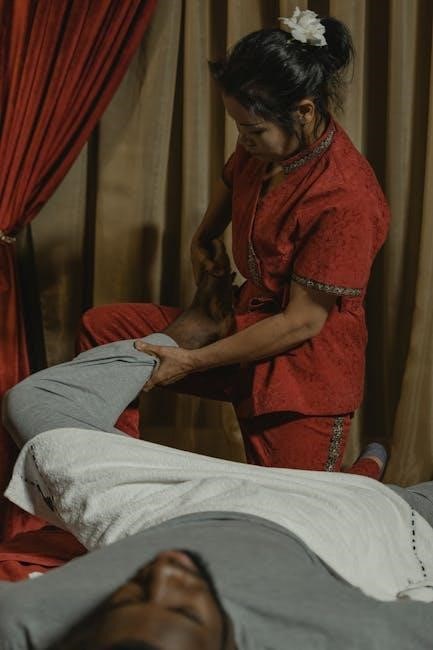
Manual therapy techniques‚ such as soft tissue mobilization and joint mobilization‚ are used to improve circulation‚ reduce muscle spasms‚ and restore joint mobility. These hands-on methods enhance flexibility and strength‚ aiding in pain reduction and functional recovery. Techniques are tailored to the patient’s stage of healing‚ focusing on gentle‚ progressive interventions to support the femur’s proper alignment and movement. This approach complements other therapies‚ promoting a faster and more effective rehabilitation process.
Monitoring for Complications
Regular monitoring for infection signs‚ such as redness or swelling‚ and hardware failure is crucial. Patients should report unusual pain or fever promptly to avoid complications.
9.1 Signs of Infection or Wound Complications
Monitoring for infection includes watching for redness‚ swelling‚ warmth‚ or drainage at the surgical site. Patients should report fever‚ chills‚ or increased pain. Wound complications may delay healing and require medical intervention. Early detection is critical to prevent severe infections; Physical therapists should assess the wound during sessions and communicate concerns to the surgical team promptly. Any unusual symptoms should be documented and addressed immediately to ensure proper recovery.
9.2 Monitoring for Thromboembolic Events
Thromboembolic events‚ such as deep vein thrombosis (DVT) or pulmonary embolism (PE)‚ are potential risks post-surgery. Physical therapists monitor for signs like sudden swelling‚ redness‚ or pain in the calf‚ and shortness of breath. Early mobilization and weight-bearing exercises help reduce these risks. Patients are educated on symptoms to report‚ and preventive measures like compression devices or anticoagulants may be used. Prompt referral to medical teams is crucial if complications arise.
9.3 Early Detection of Hardware Failure
Early detection of hardware failure‚ such as implant loosening or fracture‚ is critical. Physical therapists monitor for signs like increased pain‚ instability‚ or swelling. Regular X-rays are performed to assess hardware integrity. Any unusual symptoms or radiographic changes are promptly reported to the surgical team. Early identification prevents further complications and ensures timely intervention‚ optimizing recovery outcomes and maintaining structural stability post-surgery.
Expected Outcomes and Progression
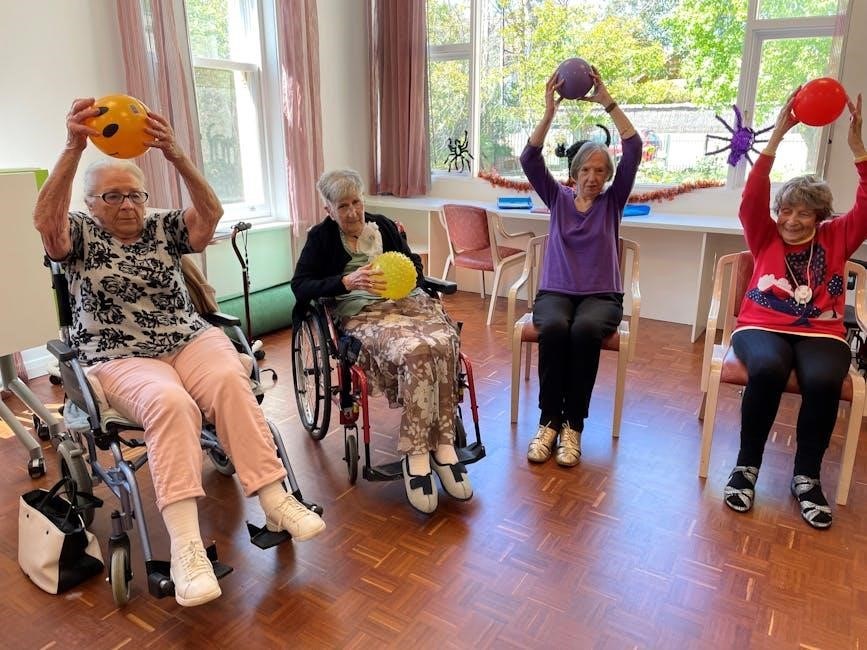
The femur ORIF physical therapy protocol aims to restore strength‚ mobility‚ and function. Patients progress to a home exercise program upon achieving 80% contralateral strength‚ ensuring full recovery.
10.1 Short-Term Goals and Milestones
Short-term goals include pain management‚ reduction of swelling‚ and early mobilization. Patients progress to weight-bearing activities and basic mobility. Achieving 80% contralateral strength enables transition to a home exercise program.
10.2 Long-Term Functional Outcomes
Long-term goals focus on restoring strength‚ mobility‚ and gait mechanics. Patients aim to achieve pre-injury functional levels‚ enabling return to daily activities and sports. Full weight-bearing and independence in mobility are expected outcomes‚ with emphasis on preventing future complications and maintaining long-term joint health.
10.3 Criteria for Discharge from Physical Therapy
Discharge occurs when patients achieve strength goals‚ demonstrate independence in exercises‚ and exhibit normalized gait patterns. Transition to a home exercise program is planned when strength reaches 80% of contralateral levels. Follow-up appointments are scheduled to monitor progress‚ ensuring long-term recovery and functional independence.
Home Exercise Program (HEP)
A personalized HEP is designed to maintain progress‚ focusing on strength‚ mobility‚ and functional activities. Patient adherence is crucial for optimal recovery. The program is tailored to individual needs and progressed as strength and mobility improve‚ ensuring continued advancement toward full recovery.
11.1 Designing a Comprehensive HEP
A comprehensive HEP for femur ORIF patients includes personalized exercises targeting strength‚ mobility‚ and functional activities. It incorporates quadriceps strengthening with VMO emphasis‚ hip abductor/adductor stretches‚ and progressive weight-bearing exercises. The program is tailored to the patient’s current abilities and goals‚ with clear instructions and visual aids to ensure proper form. Exercises are selected based on the patient’s progress‚ with a focus on transitioning to independence and preparing for daily activities.
11.2 Patient Adherence and Compliance
Patient adherence to the HEP is crucial for optimal recovery. Education on the importance of consistent exercise and proper technique is emphasized. Setting realistic expectations and providing clear instructions enhance compliance. Regular monitoring of progress and feedback from the therapist help maintain motivation. Patients are encouraged to track their exercises and report any challenges‚ ensuring adjustments are made to support continued adherence and successful outcomes.
11.3 Progression of HEP Based on Patient Response
The HEP is progressed based on individual patient response and recovery milestones. Exercises are advanced as strength‚ mobility‚ and functional ability improve. Increased resistance‚ repetitions‚ or complexity are introduced to challenge the patient appropriately. Progression is tailored to ensure continued improvement without overloading the femur‚ promoting a safe and effective return to pre-injury activities.
The femur ORIF physical therapy protocol ensures a structured‚ evidence-based approach to recovery‚ emphasizing early mobilization‚ strength restoration‚ and gradual progression to achieve optimal functional outcomes and independence.
12.1 Summary of Key Points
The femur ORIF physical therapy protocol is a comprehensive‚ evidence-based plan focusing on early mobilization‚ strength restoration‚ and gradual progression to achieve functional independence. It emphasizes pain management‚ gait training‚ and patient adherence to a home exercise program. Key components include quadriceps strengthening‚ weight-bearing activities‚ and monitoring for complications. The protocol ensures a structured approach to recovery‚ tailored to individual needs‚ promoting optimal outcomes and a safe return to daily activities and mobility.
12.2 Final Thoughts on Successful Recovery
Successful recovery from femur ORIF surgery hinges on adherence to the physical therapy protocol‚ patient commitment‚ and a structured approach. Early mobilization‚ progressive strengthening‚ and proper gait training are critical. A well-designed home exercise program (HEP) ensures continued progress. With dedication and support from the therapy team‚ patients can achieve optimal functional outcomes‚ restoring mobility and returning to daily activities safely and effectively.